Getting Started
When I first started nature journaling, I wanted to see everything. New trail every weekend, new species every page. It was exciting, but after a year I realized I had a hundred snapshots and no story. The journals that taught me the most were the ones where I sat in the same place again and again.
There is a name for this in some nature study traditions: a sit spot. One place, visited often, watched closely. It does not have to be wild or remote. A corner of a city park, a bench by a pond, a patch of woods behind a school. What matters is that you return.
The first visit is about the obvious things. The big tree, the path, the water. The tenth visit is about the small things. The moss spreading on the north side of a rock, the way the light hits at a certain hour, the bird that always sings from the same branch. By the fiftieth visit, you start to notice what changes and what stays.
A sit spot turns your journal into a calendar of the living world. You record the first bud, the first frost, the day the frogs start calling, the week the leaves turn. These are not abstract facts from a book. They are your own observations, tied to a place you know, and they build a kind of knowledge that is hard to get any other way.
You also start to see relationships. The insects that appear when a certain flower blooms. The birds that arrive when the berries ripen. The way a heavy rain changes the shape of a stream bed. A single place, watched long enough, becomes a web of connections, and your journal becomes the record of that web.
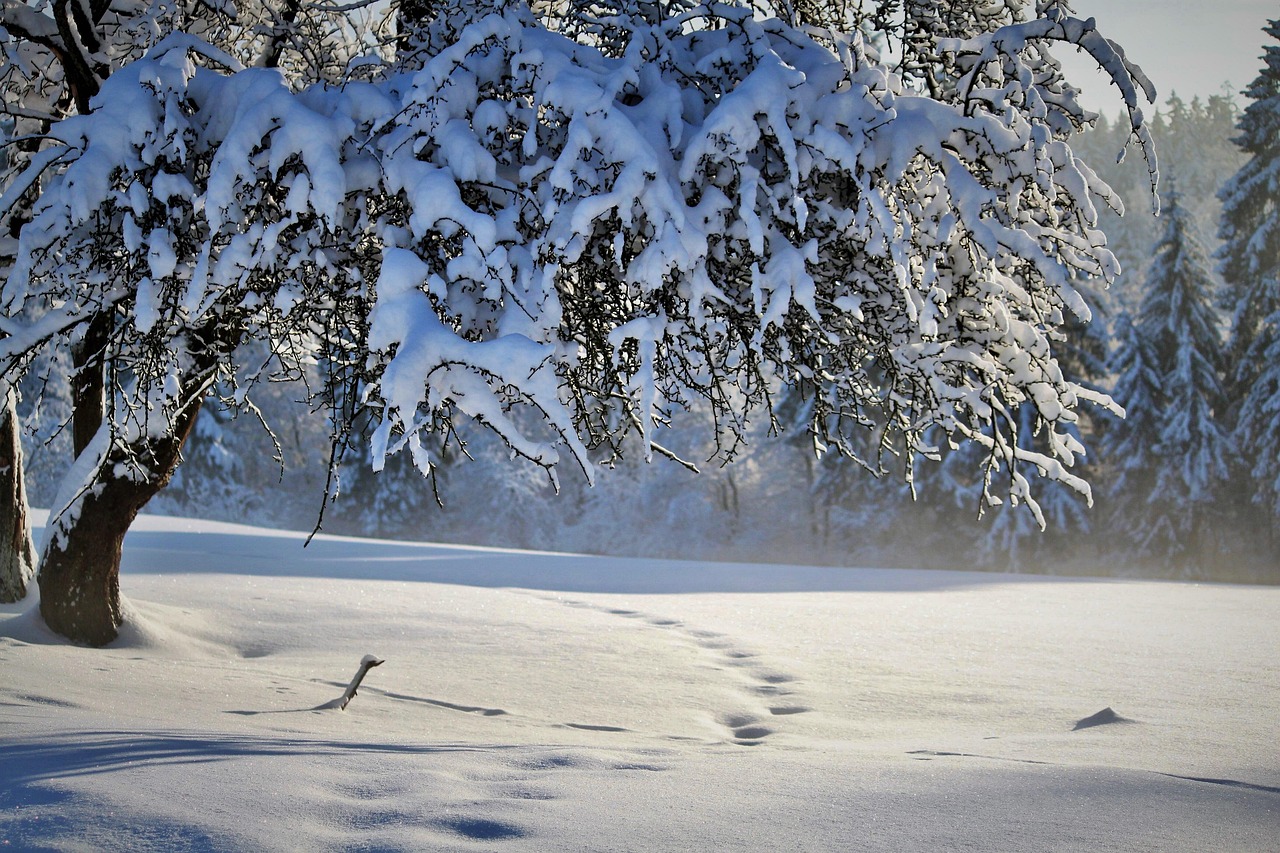
Sketch the same view from the same angle each time. A simple outline of the horizon, the main tree, the shape of the ground. Then add what is different. Over a year, those pages become a flipbook of the seasons, and you will see patterns you never noticed in the moment.
The hardest part is showing up. Life gets busy, weather gets bad, and the spot starts to feel boring. That boredom is actually a sign you are paying attention. When the obvious things are familiar, the subtle things start to appear.
Go at different times of day. Morning light, midday glare, the long shadows of evening. Each hour shows a different place. Go in bad weather too. Rain, snow, and wind reveal things that calm days hide. A sketch of a storm moving in can be more memorable than a dozen sunny afternoons.
Keep it low pressure. You do not need a finished page every visit. A date, a few lines, one small sketch is enough. The point is the rhythm of returning, not the quality of any single entry. Over time, that rhythm becomes a relationship with a place, and that relationship is the real reward of nature journaling.
