Getting Started
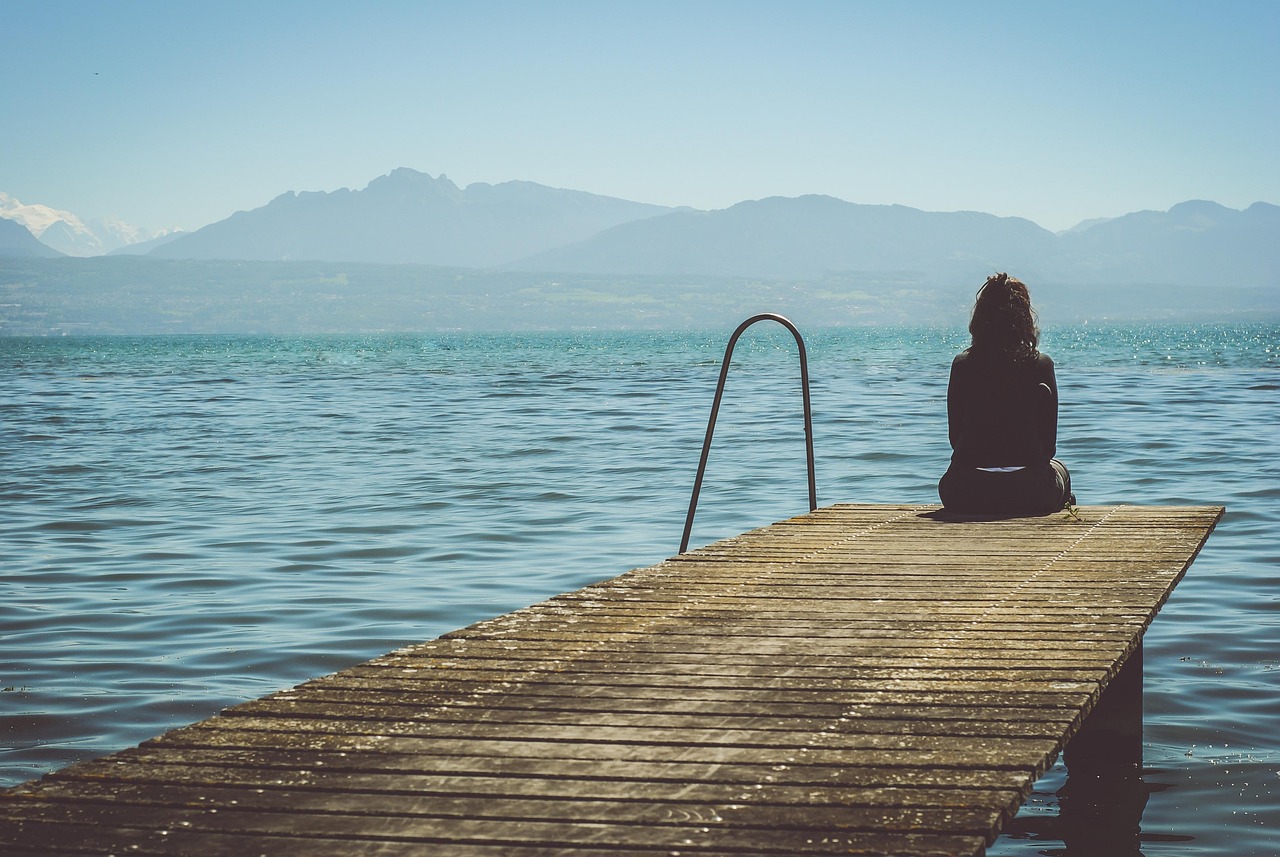
There's a practice in nature awareness circles called a sit spot. The idea is simple: pick one place outdoors, close to home, and visit it regularly—ideally every day, but even once a week works. Sit for twenty minutes to an hour. Watch. Listen. Write or sketch what you notice. Then come back and do it again.
It sounds almost too simple to be useful. But a sit spot journal, kept over months or years, becomes one of the richest records you can make. It's not a highlight reel of rare sightings. It's a slow accumulation of ordinary observations that, together, show you how a place actually works.
Most nature journaling advice pushes you to seek out new places—new trails, new habitats, new species. That's valuable, but it has a hidden cost. When everything is new, you never get past the surface. You notice the obvious things and move on. You never learn what's normal for a place, which means you never notice when something is off.
A sit spot flips that. On your first visit, you might sketch the view and note a few birds. On your tenth visit, you start recognizing individual trees. On your fiftieth, you know which branch the robin sings from, where the first spring wildflowers appear, and how the light hits the pond at different times of day. By the hundredth visit, you're noticing things that would be invisible to a first-timer—a new nest, a shift in the undergrowth, a change in the sound of the wind through the leaves.
This kind of attention can't be rushed. It's built through repetition, and repetition is exactly what a sit spot provides.
You don't need to write a lot. A few lines per visit is plenty. Note the date, the time, the weather, and then three to five things you noticed. They can be tiny—a spider web between two stems, a change in the color of the grass, a sound you hadn't heard before. Sketch if you feel like it, but don't force it. The written record is the backbone.
Over time, patterns emerge. You'll start to see the same events repeating on roughly the same dates each year. You'll notice correlations—that certain birds show up when certain plants go to seed, that the pond freezes first on the north edge, that the first frog calls come about a week after the willows leaf out. None of this is dramatic. All of it is real, and it's yours.
The hardest part of a sit spot practice is simply going. It's easy to skip a day, then a week, then a month. The fix is to make it frictionless: pick a spot you can reach in under ten minutes, keep your journal and a pencil by the door, and go at the same time each day if you can. The point isn't to be perfect. It's to keep showing up. A year from now, you'll have a record of a place that no one else has, and you'll know that place in a way that no guidebook could ever teach you.
