Techniques
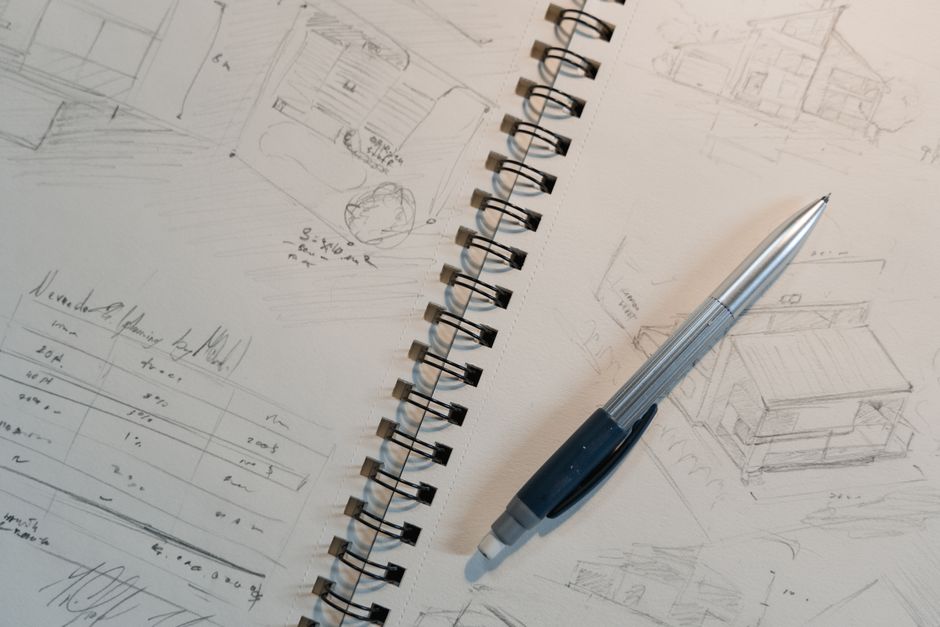
The biggest myth about nature journaling is that you have to be an artist to do it. I believed that for years, which is why my first journal sat empty on a shelf while I took photos of everything instead. The day I finally sat down on a fallen log with a cheap pencil and a folded piece of paper, something shifted. I was not making art. I was paying attention, and that turned out to be the whole point.
A nature journal is simply a record of what you notice. It can hold sketches, yes, but also written observations, questions you cannot answer yet, the shape of a leaf you found, or the exact color of the sky before a storm. Nobody grades it. Nobody sees it unless you want them to. That freedom is what makes it work.
When you head outside, keep your kit small enough that you will actually carry it. A pencil, a pocket notebook, and maybe a fine-tip pen are enough to start. If you want to add watercolor later, you can, but beginning with too many supplies often means you spend more time arranging them than using them. The best tool is the one already in your pocket when a heron lands twenty feet away.
Choose one small thing rather than trying to capture the entire landscape. A single fern frond, a patch of moss on a rock, or the bark of a tree beside your bench gives you more to observe than a sweeping vista ever will. Start with the outline, then add what draws your eye: the curl of a stem, the pattern of veins, the way light falls across a surface.
Write the date, the place, and the weather at the top of every page. These small details become surprisingly valuable over time. A note that says "cold, windy, ground still frozen" next to a sketch of an early poking-up shoot tells a story you would otherwise forget by next spring. Over a season, your journal becomes a calendar of the living world around you.
Do not worry about finishing a page in one sitting. Nature journaling rewards patience. Come back to the same spot on different days and add what changed. The tree you sketched in April will look different in June, and comparing the two pages teaches you more about growth than any book could.
Ten minutes counts. A page a week counts. Some of the most rewarding entries in my own journals are messy, half-finished, and covered in notes I scribbled while crouching in the rain. The goal is not a beautiful book to display on a shelf. The goal is a habit of noticing that slowly changes how you walk through the world.
Leave the first page blank or use it for a simple index you fill in as you go. That way you can find the day you saw the first frog or the afternoon the light turned gold before the rain. Your journal becomes a map of your own attention, and attention, it turns out, is the real skill you are building.
So grab whatever pencil is rolling around in a drawer. Step outside. Find one small thing worth looking at twice, and start there.
